Trust and transparency are the foundations of a successful car rental experience. Yet, when it comes to insurance terms—specifically the “security deposit” and the “deductible”—confusion often arises.
Whether you are a rental agency looking to clarify your contracts or a customer wanting to understand your rights and obligations, it is crucial to know exactly what happens if an accident occurs. Here is a clear, step-by-step breakdown of how deposits and deductibles work, and the responsibilities of both parties.
1. Understanding the Terms: Deposit vs. Deductible
The most common source of conflict stems from confusing these two concepts. They serve different purposes:
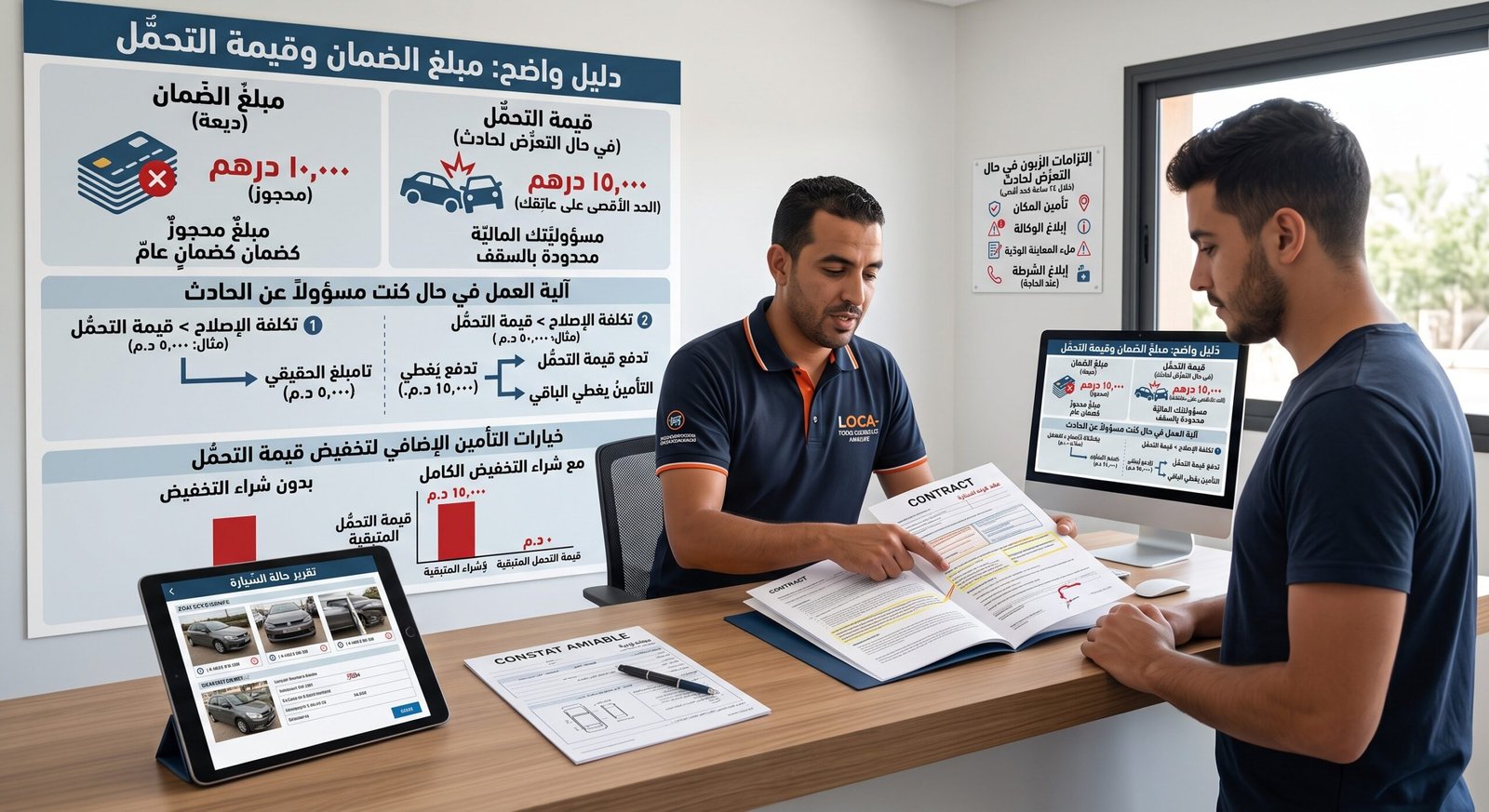
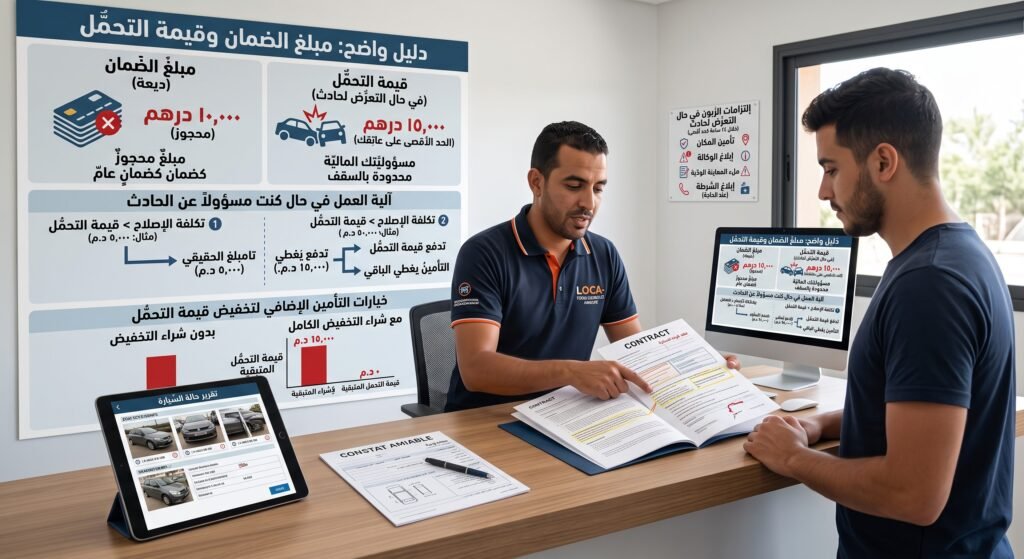
- The Security Deposit (Caution): This is a pre-authorization or a blocked amount on a credit card (or sometimes a check) taken at the signing of the contract. It acts as a financial guarantee for the rental agency during the rental period.
- The Deductible (Franchise): This is the maximum financial ceiling the renter will have to pay out of pocket for damages to the vehicle, provided the terms of the rental agreement are respected. The exact amount of this deductible must be explicitly stated on the rental contract.
2. The Renter’s Responsibilities at the Scene
If an accident occurs, the renter has strict obligations to ensure the insurance coverage remains valid:
- Secure and Notify: The absolute priority is to secure the scene of the accident and immediately contact the rental agency to inform them of the situation.
- The Accident Report: The renter must complete an accident report (Constat Amiable) with the involved third party. If there is no third party (e.g., hitting a wall) or in cases of theft or hit-and-run, a formal police declaration is mandatory.
- Respecting Deadlines: All necessary documents, including the accident report or police records, must be submitted to the rental agency promptly, usually within 24 to 48 hours.
3. The Agency’s Responsibilities
A professional rental agency is not just there to collect fees; it has a duty of assistance and ethical management:
- Immediate Assistance: The agency must guide the client through the process, coordinate a tow truck if the vehicle is immobilized, and provide clear instructions.
- Insurance Processing: It is the agency’s responsibility to forward the accident report to their insurance company within the legal timeframes.
- Transparent Billing: The agency must provide a clear, justified estimate for the repairs, either through an independent automotive expert or a certified mechanic.
4. Who Pays What? The Two Main Scenarios
When it comes to financial liability, the rule of transparency must prevail. Here is how the deposit and deductible are applied:
- Scenario A: The Renter is Not at Fault If the accident report clearly identifies a third party who is 100% at fault, the renter owes nothing for the damages. Once the insurance companies confirm the liability, the security deposit must be fully released or refunded to the client.
- Scenario B: The Renter is At Fault (or No Third Party is Identified) If the renter is responsible, or if the car is damaged while parked by an unknown third party, the renter is liable for the repair costs—but strictly up to the limit of the deductible.
- The Rule of Fairness: If the repairs cost $500, but the deductible is $1,500, the agency must only charge $500 (backed by invoices) and return the rest of the deposit. If the repairs cost $5,000, the renter only pays the $1,500 deductible, and the agency’s insurance covers the remaining balance.
Building a Better Standard
Modernizing the car rental industry means moving toward total transparency. Utilizing digital tools—such as electronic contracts, digital vehicle condition reports with timestamped photos, and connected management software—ensures that both the agency and the renter are fully protected against misunderstandings or unfair charges. Clear communication turns a stressful accident into a manageable, professional process.
To avoid any issues and rent with peace of mind, we recommend choosing agencies that are part of Glbooking GIE Digitale. They all adhere to the same high quality standards and transparent operating conditions throughout Morocco. Visit one of our websites to book your car: www.glbooking.com“